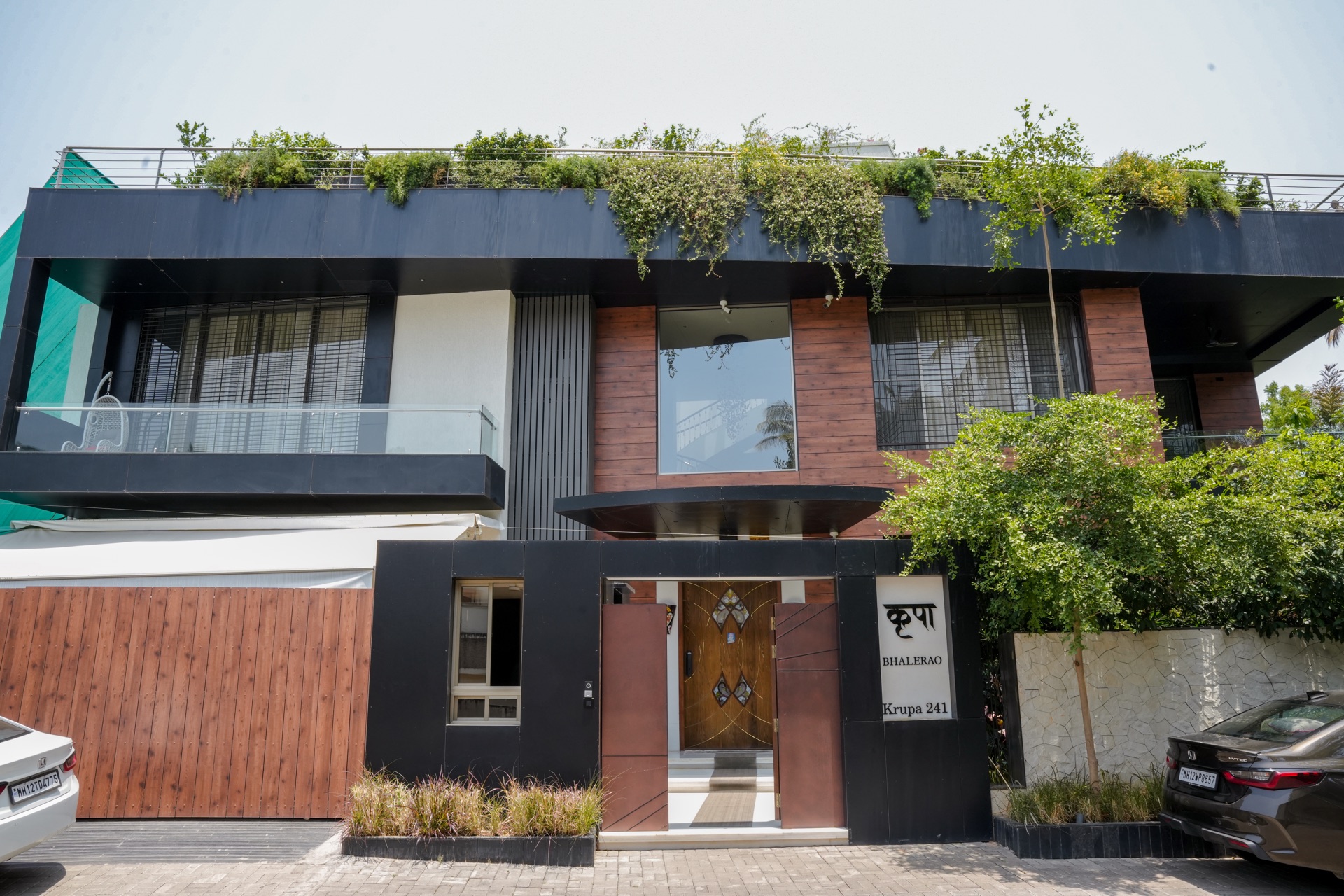
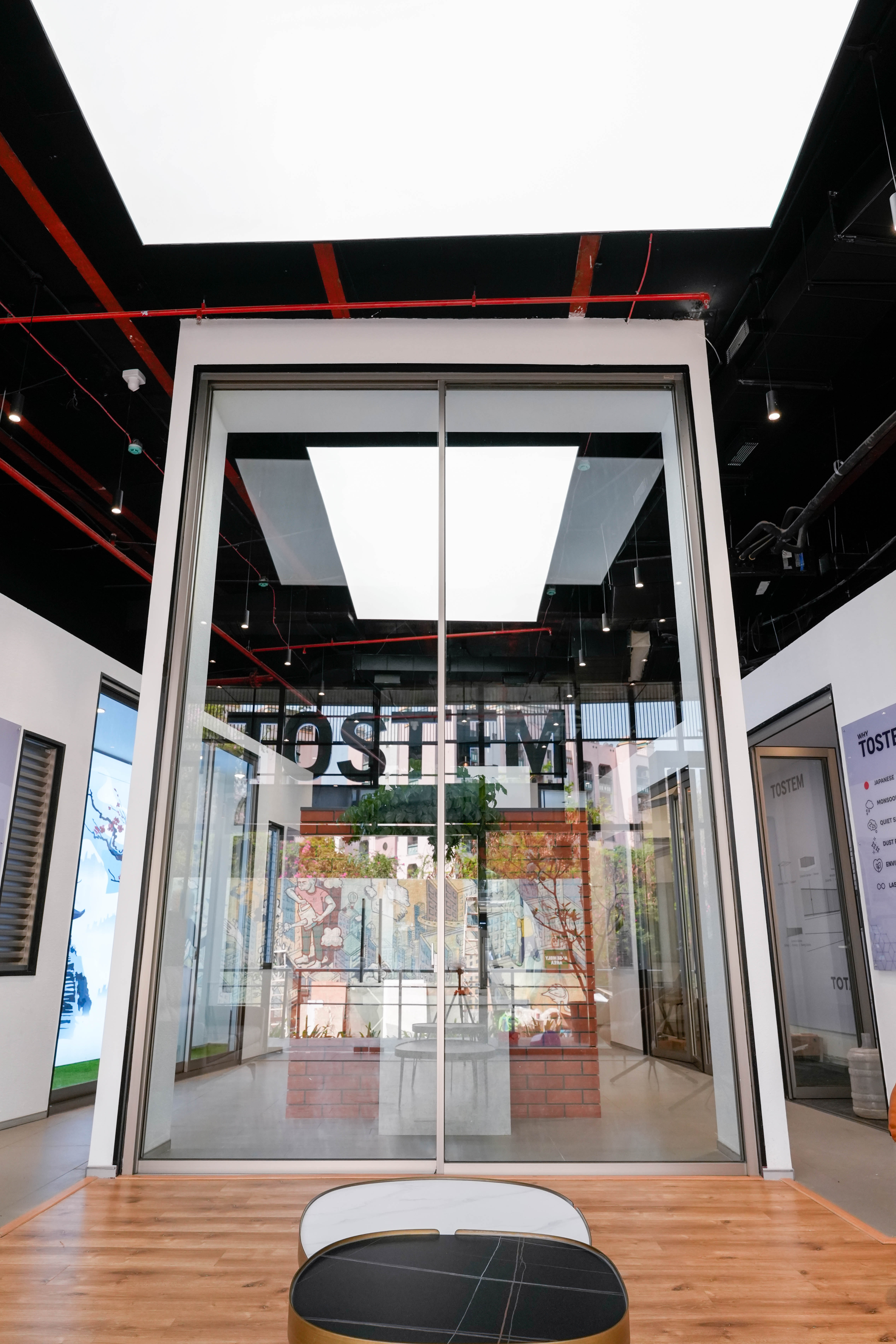
Sliding doors are the modern villa's most defining architectural element — and the most expensive thing to get wrong. Here's how to specify them properly.
Start with the configuration
Aluminium sliding doors come in 2-panel, 3-panel, 4-panel, and 6-panel configurations across 2 or 3 tracks. More panels = wider opening but more rails to walk across. For a typical living room opening up to a deck, a 4-panel 2-track works well. For larger pavilion-style openings, look at slide-and-fold (bi-fold) configurations that stack completely out of the way.
Glass thickness and treatment
For a villa, 6–8mm tempered glass is the minimum for safety. Most premium installations go with double-glazed units (DGUs) for acoustic and thermal performance. If the door faces strong afternoon sun, specify a low-E coating — it'll dramatically cut heat ingress while keeping the view clear.
Hardware matters more than you think
The locking system, rollers, and tracks are what determine whether your sliding door feels luxurious or sticky after 5 years. Look for stainless-steel rollers, multi-point locks (not just a single hook), and anti-lift mechanisms. Premium brands like TOSTEM include all of these as standard.
The corner-slider option
If your villa has a corner opening, a glass-to-glass corner slider lets the entire corner disappear when open — the structural column becomes the only visible support. This is where high-end villas separate themselves visually from everything else.
Track and threshold details
For seamless indoor-outdoor flow, specify a flush threshold (the rail sits inside a recess in the floor). The slight added construction cost is worth it. Avoid raised aluminium tracks — they ruin the visual continuity and become trip hazards.
Pre-engineered vs site-fabricated
Always specify pre-engineered, factory-manufactured doors over site-fabricated ones. Factory assembly under controlled conditions gives consistent seals, precise alignment, and warrantied performance. Site-fabricated systems vary wildly with installer skill.